


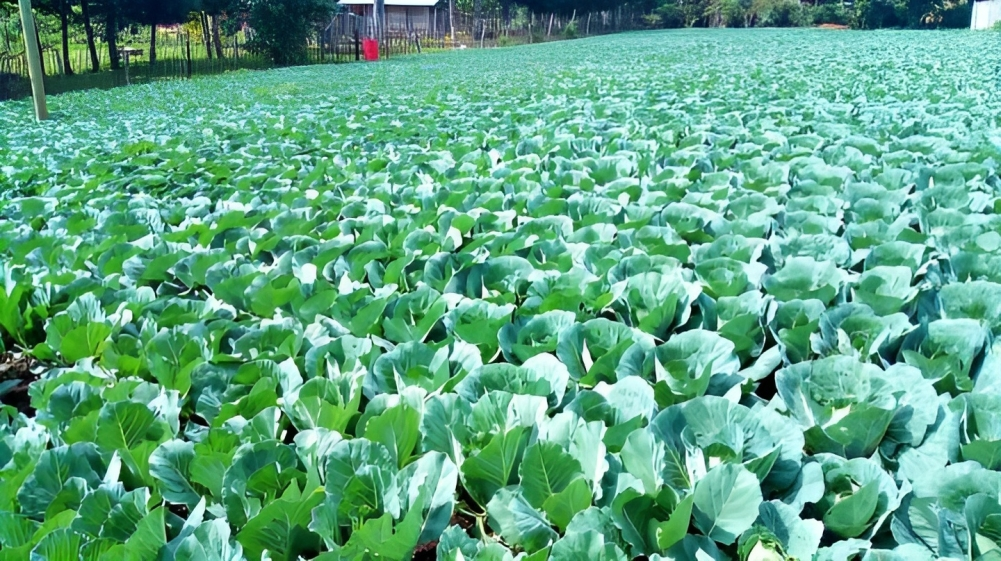
Why Crop Husbandry
A growing crop is a bush, field, tree, or vine crop prior to being harvested. Field and row crops are typically planted from seeds or transplanted from beds, and then developed to the point of harvesting within a period of months. When these crops have a cycle of less than one year, they are referred to as annuals. Examples of annuals are barley, beans, cabbage, and corn.
SEED DISTRIBUTION SYSTEM
The importance of a system for distributing seeds to farmers is recognized from the beginning but basically project support was given to IAN SEEDS LTD to this activity, for reasons clearly stated. Intellectual Aid Network Uganda created IAN SEEDS (U) Ltd a private company started in 2017 with funds from Intellectual Aid Network Uganda and made it the exclusive distributor of processing and packing facilities, has found contract out growers to produce certified seed (the foundation farms are major contractors) and has a system for distribution to farmers that is working about as well as other systems in the country. In keeping Intellectual Aid Network Uganda policy on equity, IAN SEEDS LTD is attempting to distribute seeds to all regions and types of farmers at the same price.
Delivery of seed is often late, frequently supply and demand do not coincial and costs are very high. Currently the marketing margin is about 300 percent which makes seeds and seedlings which are not subsidized –very expensive for farmers. A remarkably good job of maintaining quality is being done under very difficult conditions. The high cost is due partially to the equity considerations included in Intellectual Aid Network Uganda’s territorial pricing and distribution policy.
Physical distribution problems are difficult for many reasons and have been intensified by frequent institutional changes. At first local co-operatives, NGOs , retailers were to be primary distributors. Then it is villages. Then the primary distribution units are serviced by several supply and marketing companies, parastals. Current plans are to use local cooperatives, farmer groups, religious institutions, district local governments, NGOs, agricultural dealers both wholesaler and retailer’s office of the prime minister (OPM) and individual large scale farmers again.
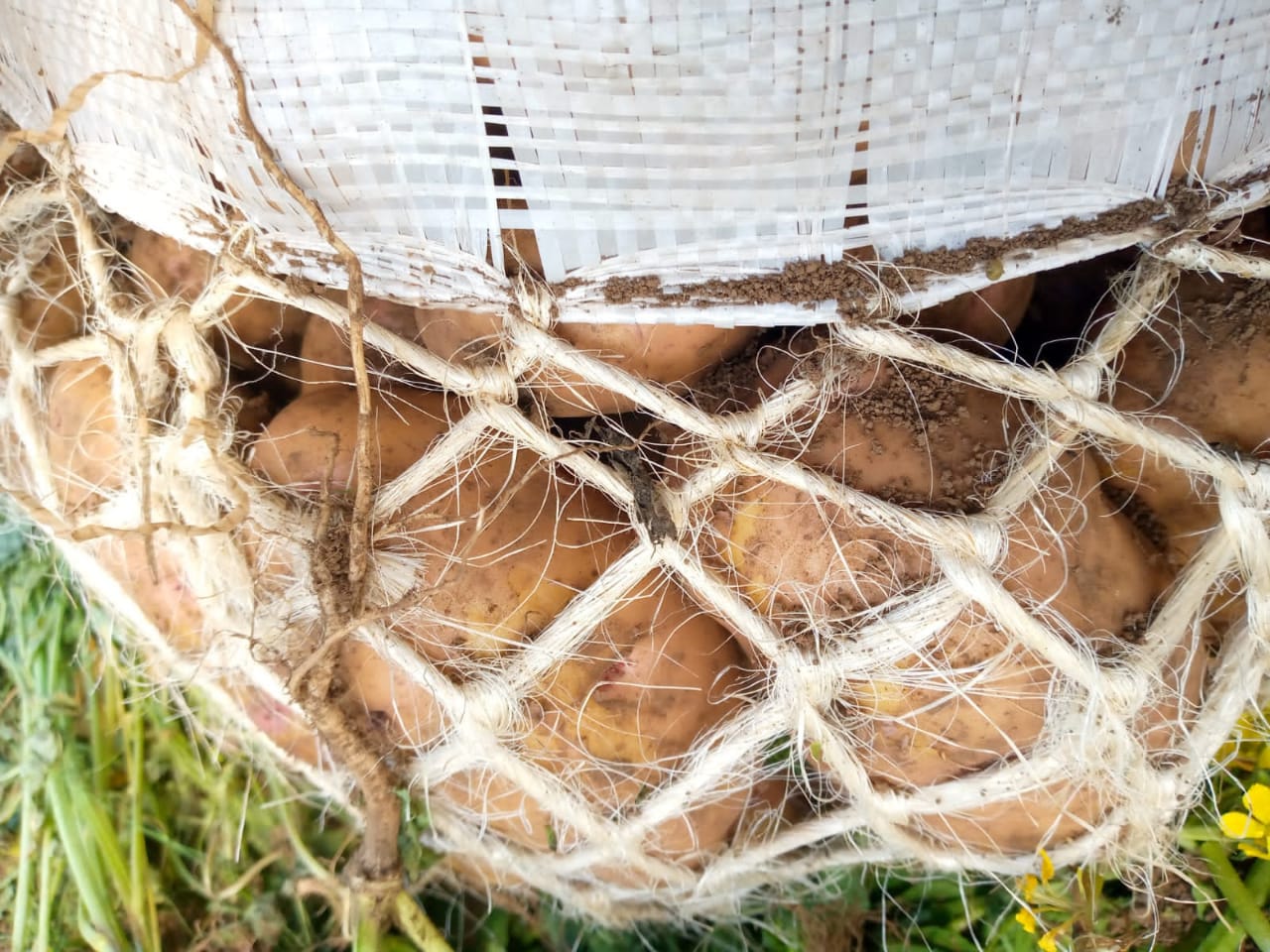
Irish Potatoes
Irish potato is a food security crop and is mainly grown in the highland areas of Kigezi and Bugisu sub regions. However, other areas have also adopted the growing of irish potatoes. As a result of increased demand especially in the urban areas production has been intensified in the traditional zones and is spreading into central Uganda and other areas in Ankole, Rwenzori and Sebei sub regions.
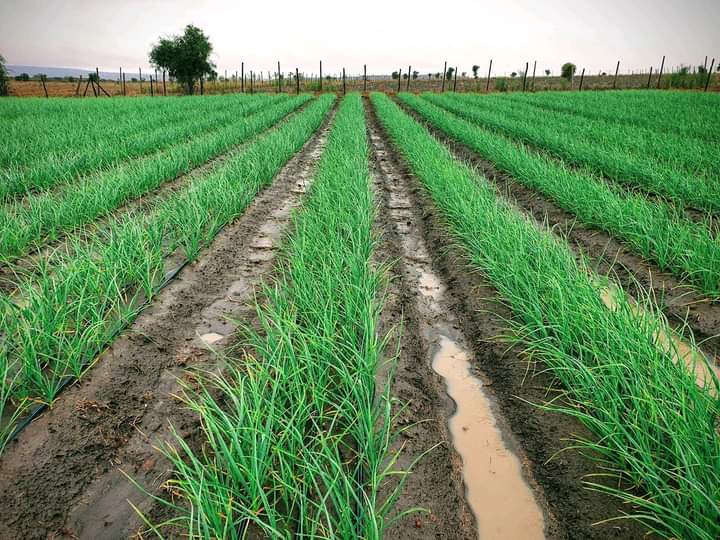
Rice
Rice is the most important food crop of India covering about one-fourth of the total cropped area and providing food to about half of the Ugandan population. Rice is good income generating crop that almost on the world market. As IAN Uganda, we try reach out different groups of people to involve in crop growing and teaching them, providing seeds, seedlings and also giving them technical knowledge.
